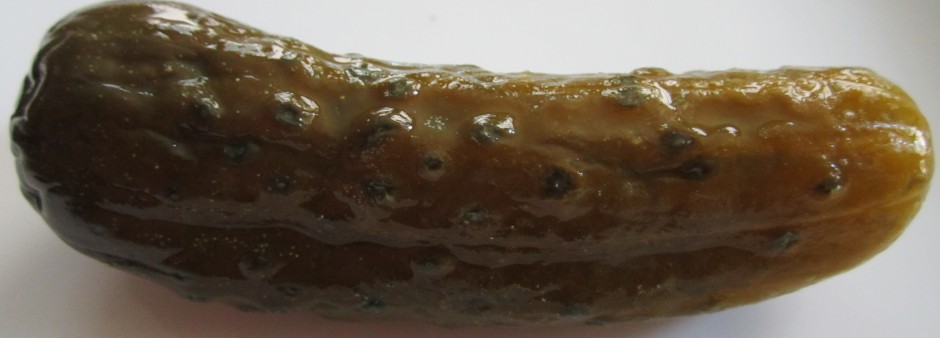
Recipe: Hotel Room Pickles

Hotel Room Pickles

Hotel Room Pickles.

Hotel room pickles happened because we had some nice carnitas and wanted some Mexican-style pickled vegetables (escabeche) to accompany. We’ve noticed the taco shops no longer put out these assortments, probably a COVID casualty because sharing condiments is looked down on, so we made our own. You can do the same if you’re in a place with a kitchenette (like an Airbnb) or simply a microwave. Makes 1 c hotel room pickles, about 4 servings.

Ingredients:
Carrots and/or other vegetables, ¾ c or so
½ c white or cider vinegar (white vinegar is very cheap, so use that if you are flying and will leave the glass container behind)
½ c water
1 t salt
¾ t dried oregano*
Optional seasonings: a few slices jalapeño, garlic clove, bay leaf, ground black pepper

Pickled Kale Stems

We used the leftover brine to pickle these kale stem discards. Not bad.

Method: peel the carrots using the edge of a spoon to scrape off outside layer (or use them unpeeled and wash well). Cut into ¾ inch slices on the bias. Place vegetables, seasonings, salt, vinegar and water in a saucepan or microwave-safe container** and bring to a boil. Simmer 10 minutes or so until carrots are just tender but still crunchy. (Other vegetables, like sliced red onion, may require just a minute or so of poaching after the liquid comes to the boil.) Cool to room temperature and allow to steep overnight to develop flavor before serving.

*Yes, we always travel with oregano. It’s useful to rescue underseasoned pizzas and subs, among other things. Carry it in a container clearly labeled “oregano” to avoid delays at TSA inspection.
**Don’t assume that hotel-room Styrofoam, plastic or paper cups are microwave-safe. Instead, save a microwaveable container from a takeout meal and use that. Or ask the front desk if you can borrow a glass or ceramic bowl.

Posted in Condiments, Eating, Recipes | Tagged , , | 2 Comments

Chuckeye Dave breaks down a Benton ham

For value and flavor, Burnt My Fingers readers would agree Benton’s Country Ham can’t be beat. The only question is which ham to buy. Whole Hickory Smoked Country Ham Deboned and Trimmed (item HSCHDT) gives you one magnificent chunk of whole boneless ham, plus separate packages of skin and bone with a lot of extra meat that can be opportunistically sliced off and popped in your mouth while you’re making beans or whatever. While Whole Hickory Smoked Country Ham Deboned & Sliced (item HSCHDS) gives you the same skin and bone packages, but the ham itself is cryovac’d into multiple packages (usually 3 of them) of thick individual ham slices.

The first time I ordered I got the ham slices because they seemed more versatile, but the downside was the lack of pieces with a large crossgrain surface area to be sliced for a charcuterie board. So I bought the whole deboned ham next time and, after the side packages were used up, stared at the main piece for several months because I was intimidated by the prospect of cutting it.

Now reader Chuckeye Dave (his nom de plume or, as Dave would have it, his nom de BMF) has solved this dilemma for us by showing how to break down the whole ham into usable pieces to freeze and defrost as needed. Let’s take a look.

Benton Country HamHere’s the ham after removal from its shipping box. As I recall, the hams arrive at my home in upstate New York just slightly cool, indicated they were frozen or very cold before shipping. They’re packed in butcher paper, not in a cooler.

Benton Ham Countdown A closer look at the main package of ham in its cryovac. Looks like it is actually three separate pieces which might be something new Allan Benton is doing to make the whole ham less intimidating.
Benton's Ham for FreezingNow Dave is breaking down the ham pieces for freezing. Looks like the big piece is pretty much intact but others have been cut into smaller pieces so there will be something to fit any use… to slice and serve, or chop and incorporate in a dish.Ham and Stock for SoupHere are the skin and bones, ready to be made into wonderful piggy juice. Dave, you left a lot of meat on those bones. Hopefully you will retrieve it and do something afterward like put it in a pot of beans.
Bentons Stock CookingAromatics and spices have been added to the bones and skin to make a really rich and delicious stock. (When we made our own ham juice we were purists and used nothing but the piggie parts.)
Bentons Skin and Bones
And here’s what is left over after the skin and bones were properly rendered to produce rich stock.Bentons Ham StockBenton’s ham stock, ready to go in the freezer for a future meal. Thanks for sharing, Chuckeye Dave!
BONUS! Here’s the info sheet that is packed with each order of Benton Ham,

Posted in Cooking, Eating, Food Heroes | Tagged , | 4 Comments

Food for Thought: EmmyMade

EmmyMade

EmmyMade prepares to cook rib steak in a glass jar.

I first heard about the Emmymade YouTube channel from a food friend who was about to attempt her rib steak cooked in a jar. Emmy Cho started a video blog while living in Japan in which she would unbox and prepare toy food kits sold for children, eg the Popin’ Cookin’ Crepe Maker. Now living in the US, she does something similar with recipes found on TikTok, eg Are TikTok CORN RIBS Worth The Risk Of Cutting Yourself In the Process?She also experiments with kid snacks like quesadillas made in a toaster—in fact, she has a scientist’s curiosity which would make her a great science teacher, and maybe that’s what she is in her day job.

You are not going to learn any new techniques watching her videos; her kitchen skills are basic but solid and she carefully explains and shows what she’s doing. The production value is quite high and she takes time out, like a radio announcer, to do promos for sponsors like HelloFresh (they aren’t offensive and you can easily skip by them). Mostly, the videos are entertaining and after watching you’re going to be glad you saw how she makes ghost pepper mac ‘n cheese but probably won’t want to do it yourself. (The Coyote Poop/Candied Cheetos and a few other inspirations notwithstanding.)

There’s also an Emmymade website where you can find her recipes the old-fashioned way, in written form, along with lots of ads. (I’m now thinking she doesn’t need a day job.) By the way, that rib steak in a jar is basically beef stew. Check it out.

Posted in Food for Thought | Tagged , | 4 Comments

Recipe: Chicken Rice from Supermarket Rotisserie Chicken

Chicken Rice

Chicken Rice from Supermarket Rotisserie Chicken.

Chicken rice is a Hainanese recipe in which tender poached chicken is served over rice cooked in a rich chicken and ginger stock. It’s supreme comfort food that has spawned a number of fast takeout places in the Bay Area (and probably elsewhere) such as the Rooster and Rice chain. And you can make a very flavorful approximation using the juices that accumulate in the bottom of the container of supermarket rotisserie chicken. This recipe was developed from the always-reliable Woks of Life. Serves 4.

Ingredients:
One supermarket rotisserie chicken, regular flavor
2 stalks green onion
Fresh ginger, peeled, total about 1/3 cup
8 or more cloves garlic, peeled
1 c jasmine rice
Kosher salt to taste, if needed (the chicken stock may be salty enough)
Neutral oil to sauté

Method: debone the chicken, taking care to lift the breast meat from the breast bone so you leave the breast meat and skin intact. Reserve the breast meat and save the rest of the chicken for another use. (Of course, you could also serve the thighs, wings and drumsticks and collect the bones afterward.) Transfer the bones and the backbone section (don’t bother to try and debone this part) and all the juices and gelatinous consommé from the bottom of the chicken container to a saucepan.

Make the stock: simmer the chicken bones and juices with 4 cross section slices of peeled ginger and two whole green onions (cut off the roots and cut the rest into 3 or 4 pieces to fit your pot) over very low heat for 2 hours until rich and flavorful. Remove bones and spices and strain; chill the strained stock until fat solidifies on top.

Prep the chicken: skim off the fat from the strained stock and transfer to a saucepan. Return the chicken stock to heat and add the reserved chicken breast. Simmer 30 minutes so it can absorb the flavor of the stock. Lift it out of the stock and transfer to a bowl full of ice water. Chill 10 minutes, then remove from the ice water bath, carefully pat dry, and wrap tight in plastic wrap. (The purpose of this process is to preserve the firm flesh and tight skin on the chicken breast. You won’t have the pale delicate skin of a poached Hainanese chicken but the texture and flavor will be similar.)

Make the rice: heat the reserved chicken fat in the saucepan until any residual water is cooked out and it stops sputtering. Add a little neutral oil if needed to coat the bottom of the pan. Add 2 cloves chopped garlic and the rice and sauté a couple of minutes over low heat. Add 2 cups of reserved stock (if you have less than 2 cups, add water to make up the difference), taste and add salt if needed. Simmer, covered,  over very low heat for 10 minutes, taking care not to allow the stock to boil over, then turn off heat and let it rest 30 minutes while you assemble the rest of the dish.

Make the dipping sauce: process ¼ c peeled ginger and 6 cloves garlic in a mini-chop until it forms a paste. Sauté in 3 T neutral oil for just a couple of minutes to take the edge off the raw taste. Transfer to 4 serving-size ramekins.

Assemble the dish: carefully remove plastic wrap from chicken breast and cut crosswise into chopstick-friendly slices about ¾ inch thick. Plate the rice, assemble the chicken pieces on top and serve with the dipping sauce on the side.

Posted in Mains, Recipes | Tagged , , | Leave a comment

I made fried chicken in an air fryer

Air Fryer Fried Chicken

My air fryer fried chicken had good crunch and color.

“I made fried chicken in an air fryer” would be a nonsensical statement to any serious cook, who of course knows the device cooks through convection and heat rather than frying. But the target audience for an air fryer probably doesn’t care and probably isn’t going to use it for cooking food anyway but for reheating chicken tenders and French fries like our teen.

But since the device was taking up space in our kitchen, and I wanted to do a fried chicken experiment anyway, I decided to give it a try. I was actually testing two things—something I was taught in marketing you should never do because you don’t know which contributed to the result—air frying vs oven baking, and buttermilk vs pickle juice brine.

Pickle juice brine is the technique allegedly used at a popular fast food chicken restaurant. We’d tried this before, using the liquid from a jar of Vlasic dills, and were not impressed. But this time we had some very interesting juice from a tub of Grillo’s dills which include lemon juice and dill fronds and a whole bunch of spices.

Mixed Fried Chicken

Air fryer vs oven roasted fried chicken. The darker pieces are air fried, and better.

We used chicken thighs of uniform size and brined one batch in the pickle juice for about 6 hours and the other overnight in unseasoned buttermilk. (The shorter pickle brine was because we didn’t want them to get too tart.) Then we drained and dried both batches, added a beaten egg to the residual buttermilk, and mixed up some flour with the Colonel’s secret herbs and spices.

The chicken thighs were dipped in the buttermilk/egg mixture, then dredged in the flour and four of them were placed on a rack to bake in a 400 degree oven. The other two (that’s all that would fit) went into a 5 quart air fryer that had been preheated to 370 degrees. We set the timer for 40 minutes for each, and turned them halfway through.

The result? The air fryer fried chicken came out fine. It was crisp and crunchy and properly cooked without being dry. The oven chicken was okay when it cooled and the coating solidified a bit, but right out of the oven it was soft and messy. I guess this is why most oven fried chicken recipes include an extra layer of panko or cornflakes. The air fryer cleanup was quick and easy, while the sheet and rack from the oven needed soaking followed by plenty of elbow grease.

Would I do this again? Not likely. I’m not afraid of actual deep frying, which would have delivered crispy tender thighs in under 10 minutes and without a lot of grease if you regulate the temperature properly. But I liked the air fryer fried chicken more than I expected.

And as to the chicken brined in pickle juice, it was great! The flesh had a nice tang and I do believe the brine firmed it up a bit. Compared side by side, the non-juice meat was bland and less interesting though it tasted fine on its own. This will require further investigation.

Posted in Cooking, Eating | Tagged , , | 2 Comments

When your sourdough starter goes bad


Dead Sourdough Starter

This is what my 60% Hamelman sourdough starter looked like AFTER I refreshed it. Not a good sign.

My 60% Hamelman sourdough starter is no more. I had scooped up a wad (with the master’s permission) when I took the Wood Fired Oven class at King Arthur Flour back in 2012, nurtured it to a bubbly bloom, and used it regularly in my sourdough bakes. But I have way too many sourdough starters for no good reason and in recent years have gravitated toward just two of them, my San Francisco-to-Saratoga hybrid and the starter I got from Cheese Board in the Bay Area (definitely not with permission).

Sourdough Starter Orange

This is what was underneath the mold. Right texture, wrong color.

This week I decided it was time to feed and revive the 60% Hamelman sourdough starter, but when I opened the jar I found a crime scene. The healthy beasties had been overpowered by a foul smelling bunch and the starter, which should be off-white and sometimes gets some grey mold when you let it sit too long, was an angry orange with streaks of black and brown.

I carefully scraped off the top layer and the stuff on the sides of the jar. But what was underneath didn’t look good. It was still orange, though at least it had the stretchy texture of a healthy 60% starter. I took the cleanest glob I could find and tried feeding it with a formula of 100g all purpose flour to 60g water (which is why it’s called 60%, for the hydration).

The starter came to life in a couple of days, with shiny liquified patches rising up from what looked like dry flour, but the color was off—way too grey. Finally, after a week, I pulled it out of the container. And I got what you see here: the invaders had spawned themselves.

I am sure if Jeffrey Hamelman reads this he will have a hearty chuckle, because as any experienced baker knows there is no reason to keep more than one starter (or maybe two, the second one being rye…. Actually, a rye starter was the only one Hamelman used in his early years even if he was making white flour loaves). Given the same proportions and same ingredients (i.e. the flour), any starter will eventually take on the characteristics of the wild yeasts in its environment.

I’m hanging onto my ersho starter, made from teff and used for injera…. Actually I just reactivated it successfully after a two-year nap. But I’m afraid my Tartine starter, Larraburu starter and einkorn starter are on their way out. Sic transit gloria mundi.

Posted in Cooking | Tagged , , | Leave a comment

Nuts to mixed nuts

Mixed Nuts

I bought this “value size” mixed nuts at CVS for well under $10 with a 40% off coupon. The price is the only thing good about it.

Dr. Ludwig wants you to eat a handful of nuts as part of his Always Hungry diet. Which is why I often feel virtuous for buying a tub of mixed nuts when they’re on sale. Unfortunately, what’s inside those containers almost always disappoints.

The first problem is the peanuts. I happen to love peanuts; Trader Joe’s creamy salted peanut butter from unblanched peanuts is one of my all-time favorite foods. But peanuts in an assortment overpower the flavor of the other elements. An especially egregious example is shown above. It contains “up to 60% peanuts” so should properly be called “peanuts mixed with some other nuts”. And I’m quite happy to pay extra for mixed nuts with no peanuts except for the second problem:

Salt.

Snackable nuts should provide an appealing salty rush, yet the makers have determined we should be eating less salt so we get abominations like “light sea salt” which is an attempt to offset the lack of good honest salt with an artisanal buzzword. The only alternative offered by most vendors is salt free (shudder). Oddly enough, peanuts on their own are adequately salted. The nut industry has evidently decided people who don’t like peanuts, or want to avoid tasting them in every bite, have a medical condition that makes them need to cut down on salt.

I do know where I can find mixed nuts that satisfy: my local upscale supermarket, Healthy Living, aka Wealthy Living in the vernacular of many of my neighbors. They have a salty, flavorful assortment of dry roasted nuts with no peanuts that checks all the boxes and costs $18 a pound. By comparison, it’s not hard to find a couple of pounds of mixed nuts for the same price, even less if you will accept a few scoops of (tragically under salted) peanuts.

I guess this is one of those times when you have to grit your teeth and pay up for quality. So I’m off to Healthy Living as soon as I can work my way through the current tub of 60% peanuts/mixed nuts. Maybe I’ll douse them in a saline bath and roast a bit, then separate the peanuts from the other nuts.

Anybody else struggling with mixed nuts on a Monday?

Posted in Eating | Tagged , , | 6 Comments

Happy Cole Slaw Day!

Better than KFC Coleslaw

Better-than-KFC buttermilk cole slaw

While some are celebrating March 17 with green beer and corned beef, we will be stocking up on cabbage! The crunchy green orbs are on traditionally sale at the lowest prices of the year, and a head will last at least a couple of months under refrigeration. As we pointed out in a previous post, cabbage is a wonderfully obliging vegetable because it essentially peels itself: just remove the outer layers till you find firm, fresh flesh and you’re good to go.

The killer app for cabbage is, of course, cole slaw. Look up slaw in our recipe index and you’ll find more listings for that category than any other dish. Vincent’s Garlic Cole Slaw, which currently has 35 comments including one from the grandson of the original Vincent, is one of the most popular recipes on our site. Devotees of Highland Park Cafeteria can do a search for “sour slaw” and follow our struggles to reproduce this favorite recipe, but do not pass up this post in which we reveal the shocking news that a little bit of added oil brings the tastes together.

We have a recipe for Better-than-KFC Cole Slaw that’s better than the Colonel’s standby. A Thai-Style Cole Slaw that’s a perfect accompaniment to many Asian dishes. A Vinegar Cole Slaw to eat with grilled meats and Greek food. And, if you can’t decide, you can do worse than our Everyday Cole Slaw recipe which is an ad-hoc guide for putting together somewhat random ingredients.

Like a great actor, cabbage disappears into its role and has a completely different character depending on whether it’s grated (our current preference, using the coarsest side of a box grater), chopped or sliced then and whether it’s served fresh, cured with salt or marinated to let the flavors blend. (Most of our recipes recommend that you let the salad rest at least a couple of hours before serving or even tasting.) It’s all good!

How many heads of cabbage should you buy on sale? Depends on how big your refrigerator is! And while you’re at the market, get some heavily discounted corned beef brisket which you can toss in the freezer, then smoke when the weather is better for Montreal-style smoked meat!

Posted in Cooking, Eating, Events | Tagged , , | 2 Comments

Food for Thought: PressureLuckCooking.com

Instant Pot Chinese Pork Tenderloin

PressureluckCooking.com recipe for Instant Pot Chinese Pork Tenderloin.

Pressureluckcooking.com has more ads and unnecessary in-progress photos than any other blog we’ve seen: when we couldn’t get one recipe to print out by itself there were 49 printer preview pages that preceded it. And yet there are three reasons this site is worth your consideration.

1/It’s one of the few food blogs we’ve seen that is written by a male, and not devoted to barbecue. 2/The title hearkens back to Press Your Luck, a quiz show on which your proprietor appeared. 3/The real reason, it’s highly regarded by other Instant Potters and frequently referenced on the Instant Pot Facebook group.

Just like the quick release on the Instant Pot itself, blogger Jeffrey provides a “jump to recipe” button at the top of each recipe and you should definitely use it. Recipes on the site include man-pleasers like Ram-Dom, the ramen hack from the movie Parasite; a quality Mississippi Pot Roast (AKA pulled beef) recipe; and Instant Pot Chinese Pork Tenderloin, the prep that got our attention.

There’s a manly reliance on culinary shortcuts—why use beef broth when you can use Better Than Beef Bouillon? Worcestershire Sauce and Gravy Master also make an appearance. But we were satisfied with our Chinese Pork Tenderloin, and we learned a new technique—using the Instant Pot saute setting for the “velveting” effect essential to many Chinese sauces. Check it out!

Posted in Food for Thought | Tagged , | Leave a comment

Recipe: Ultimate Protein Smoothie

Protein Smoothie

Ultimate Protein Smoothie.

Dr. Ludwig’s smoothie is one of the better things about the Always Hungry Diet. But when you add a ripe banana, you end up with the ultimate protein smoothie. It’s so good and satisfying, you may never eat solid food again. (Just kidding.) Makes one approx 12 oz smoothie.

Ingredients:
½ pear or apple or ¼ Asian pear
1 very ripe banana, peeled
1 ½ T peanut butter (with no sugar added; we like Trader Joe’s salted creamy)
5 T unflavored protein powder (or less if you like–this is the amount to make it a complete meal)
3 T whole coconut milk
1/3 c to ½ c milk, whole or 2%
½ c or more frozen mixed fruit*

Method: peel and seed the fruit if appropriate (I leave the peels on apples and pears) and cut into large chunks. Add to a blender with other ingredients. Pulse until smooth and drink immediately.

*We use Wyman’s Cherry/Berry/Kale, a mix we get in 4 lb bags at our big box store.

Posted in Beverages, Eating, Mains, Recipes | Tagged , | Leave a comment